What Are the Premier League’s Profit and Sustainability Rules (PSR)?
The Premier League has financial rules called Profit and Sustainability Rules (PSR) to make sure football clubs do not spend more money than they can afford. These rules are designed to keep clubs stable and prevent them from going into heavy debt just to buy players or pay high wages.
How the Rules Work
Every Premier League club is allowed to lose a maximum of £105 million over three years. This works out to roughly £35 million per season on average. However, there is an important condition. Only £15 million of those losses can come from normal football expenses, such as player wages, transfer fees, or other day to day costs.
If a club loses more than £15 million but stays under £105 million, the extra losses must be covered by the club’s owners. This means the owners have to put their own money into the club, usually by buying more shares, to make up the difference. If they do not, the club cannot spend beyond the £15 million limit.
For example, if a club loses £50 million in three years, the first £15 million is allowed as normal football losses. The remaining £35 million must be guaranteed by the owners putting in their own cash. If the owners refuse, the club would break the rules by exceeding the £15 million limit.
Why Does the Premier League Have Financial Rules Like PSR?

The Premier League created PSR to stop clubs from overspending and going bankrupt. Before these rules, some teams relied too much on rich owners or debt to buy success, which became dangerous if owners left or money ran out. PSR makes sure clubs don’t spend unlimited amounts to gain an unfair advantage or risk financial collapse.
Without these rules, a billionaire-owned club could lose hundreds of millions every year to buy top players, ruining competition. On the other hand, poorly run clubs might overspend and face bankruptcy, like some historic teams in Europe have. PSR prevents this by setting a strict limit: clubs can only lose £105 million over three years.
For fans, PSR helps protect their clubs from going bust or getting point deductions, like Everton did in 2023/24. It also keeps the league fair, no team can just spend its way to the top. Instead, clubs must grow their income through smart business, sponsorships, and player sales.
The rules encourage responsibility. Clubs now think twice before spending beyond their means, knowing fines or point penalties could follow. In the end, PSR keeps the Premier League competitive, stable, and exciting for everyone.
How Do PSR Rules Work in Practice?

The Premier League checks each club’s finances over a rolling three-year period. Every season, they add up the club’s financial results from that year and the previous two to see if total losses stay within the £105 million limit. Clubs making profits or small losses face no issues, but those with bigger losses must prove their owners have covered any amount over £15 million. These clubs also submit future financial plans to show how they will avoid breaking the rules again.
If a club’s losses exceed £105 million over three years, they breach PSR and face punishments. These can range from fines to points deductions, as seen with Everton’s penalty in the 2023/24 season.
A key part of PSR is how transfer fees are counted. Instead of recording the full cost when buying a player, clubs spread the fee over the player’s contract. For example, a £50 million signing on a five-year deal counts as £10 million per year in the accounts. This “amortisation” helps clubs manage spending without breaking the rules in a single year.

Clubs also amortise transfer fees this way when calculating their losses for PSR compliance. That’s why a team like Chelsea could spend over £500m on players in one year but not immediately break the rules – the costs were spread out over as many as 5+ years per player (Chelsea infamously gave some players 7 or 8-year contracts to stretch the amortisation). In fact, that loophole of ultra-long contracts was so extreme that the Premier League stepped in and set a new rule in 2023 to cap contract length for amortisation at 5 years. This stops teams from stretching fees over unrealistically long periods to hide costs.
Player sales also play a big role. Selling a player for profit, especially academy graduates, gives clubs an instant financial boost. Since homegrown players have no transfer cost, their full sale price counts as pure profit, helping balance the books.
In short, PSR forces clubs to balance spending with income. Transfer fees are spread out, sales generate quick profits, and losses must stay under £105 million over three years. Clubs that break these rules face penalties, encouraging smarter financial management across the league.
Recent Changes and Stricter Enforcement of PSR

Financial rules in the Premier League have become much stricter recently, moving from being an accounting concern to something that directly affects teams on the pitch. The big shift came when Everton became the first club to receive a points deduction for breaking PSR rules. In late 2023, they were initially given a 10-point penalty (later reduced to 8 points) for the 2023/24 season. Around the same time, Nottingham Forest also faced charges for overspending after their promotion. These cases showed the league’s new approach – dealing with financial breaches quickly within the same season rather than letting them drag on for years.
This tougher enforcement has created a new trend in the transfer market. With most clubs’ financial year ending on June 30th, we now see a “financial deadline day” at the end of June. Clubs rush to sell players before this date to record profits in their accounts and avoid PSR breaches. Waiting until July means the sale counts for next year’s books, which might be too late if a club is close to breaking the £105 million loss limit.
At the same time, UEFA is introducing its own financial controls. A new Squad Cost Ratio (SCR) will limit spending on player wages, manager salaries, and transfer-related costs to a percentage of club revenue. This cap starts at 90% in 2023/24 and gradually reduces to 70% by 2025/26.
According to UEFA’s financial reports, Manchester United’s total wage-to-revenue ratio is around 56%. And since the SCR only includes player and manager wages typically 70–75% of a club’s total wage bill—United’s actual SCR ratio is estimated to be closer to 50–65%, placing them comfortably within UEFA’s upcoming limits.
The Premier League has also explored adopting a similar model, proposing an 85% squad cost cap based on club income. However, legal challenges have delayed any implementation. As a result, the current PSR rules will remain in place through at least 2026/27.
Most Premier League clubs are still operating within safe margins, but tighter enforcement and reduced flexibility mean smart financial planning is more crucial than ever both for stability and success.
Loopholes and Creative Accounting Under PSR

Football clubs have become experts at finding clever ways to work within financial rules while still spending big. The Premier League has had to close several loopholes that teams were using to stay within PSR limits.
One popular trick was giving players extremely long contracts to spread out transfer costs. Chelsea famously did this in 2022/23, signing players like Mykhaylo Mudryk to 8½-year deals. This meant his £88m transfer fee could be counted as £10.3m per year instead of £17.6m on a standard 5-year deal. The Premier League quickly stopped this by capping how long clubs can spread transfer fees – now limited to just 5 years maximum.
Another creative method has been clubs selling assets to themselves. Chelsea made headlines by selling their women’s team and hotel to companies owned by their own owners for £200m. This created instant “profit” in their accounts, even though the money just moved between related businesses. While technically allowed if done at fair prices, these deals are now under extra scrutiny.
Teams have also tried swapping young players at inflated values. Two clubs might trade academy players while claiming each is worth £10m, creating paper profits without real money changing hands. The Premier League now checks these deals to ensure prices are realistic.
Payment plans offer another way to game the system. When selling a player, clubs can book the full profit immediately even if the buying club pays in instalments over years. This helps the seller’s PSR position right away while the buyer spreads the cost.
The league continues to tighten rules as clubs find new loopholes. While some creativity is expected, the Premier League wants to ensure clubs aren’t just finding accounting tricks but are genuinely living within their means. It’s an ongoing battle between rule-makers and clubs looking for every possible advantage.
Understanding Transfer Payments: Release Clauses vs. Structured Deals

When clubs buy players, how they pay the transfer fee – either all at once or in installments – affects their cash flow but not their Profit and Sustainability Rules (PSR) calculations in the way many fans think.
Release Clauses vs Negotiated Deals
A release clause requires the buying club to pay the full amount immediately. For example, if a player has a £60 million clause, the buying club must pay all £60 million upfront. This happened when Chelsea bought Delap- they had to deposit the entire fee at once.
However, most transfers are negotiated deals where clubs agree to pay in installments – perhaps £20 million now, £20 million next year, and £20 million the year after. This helps clubs manage their cash flow better.
How Accounting Works
For PSR purposes, what matters is how the fee is spread across the player’s contract (amortization), not when the cash is actually paid. A £60 million transfer for a player on a 5-year contract counts as £12 million per year in the accounts, whether paid upfront or in installments.
The key differences:
- Cash Flow: Paying upfront requires more immediate cash, while installments spread the burden
- Total Cost: Sellers often charge more for installment deals (e.g., £65m vs £60m upfront)
- Future Commitments: Installments create future payment obligations
For Selling Clubs
The selling club can typically book the entire transfer fee as profit immediately, even if payments come in installments. This helps their PSR position right away. For example, selling an academy graduate for £60 million (even in installments) shows as £60 million profit now.
Strategic Considerations
Clubs often prefer installments to:
- Preserve cash for other transfers
- Stay within short-term budgets
- Manage financial uncertainty
However, release clauses can be better when:
- The total cost is lower than negotiated deals
- The buying club has ample cash reserves
- They need to secure the player quickly
How PSR Profit and Loss Actually Work: Real Player Examples

PSR Profit – Non-Academy Graduate (Example)
Example:
Manchester United sells Antony for £35 million.
He was bought for £86 million on a 5-year contract.
- After 3 years, £51.6m of the fee is already amortized (3 x £17.2m).
- His remaining book value = £34.4m.
- Sold for £35m.
PSR profit = £0.6 million
Because the sale price (£35m) is higher than the book value (£34.4m), this is counted as profit under PSR.
PSR Loss – Non-Academy Graduate (Example)
Example:
Manchester United sells Jadon Sancho for £23 million.
He was bought for £73 million on a 5-year deal.
- After 3 years, £43.8m has been amortized (3 x £14.6m).
- Remaining book value = £29.2m.
- Sale price = £23m.
PSR loss = £6.2 million
Because the sale price is lower than the remaining book value, it counts as a loss in PSR accounting.
PSR Pure Profit – Academy Graduate (Example)
Example:
United sells Alejandro Garnacho for £55 million.
- Garnacho came through the club’s academy.
- His book value is £0 (no transfer fee).
PSR profit = £55 million (pure profit)
Since there’s no book value to deduct, the full sale amount counts as profit.
What Is Not Pure Profit (Quick Logic)
- The player was bought from another club → Has a transfer fee → Profit is sale price minus book value.
- The player was signed recently → Less of the fee has been amortized → Higher book value remains.
- The player is sold below his book value → Results in a PSR loss.
What Counts as Pure Profit
- Player is an academy graduate.
- Player was signed on a free transfer.
- Player’s book value is fully amortized.
- Any sale amount above £0 goes directly into the books as profit.
The Bottom Line
While payment structures affect cash management, PSR calculations focus on the total fee and contract length. This explains why clubs sometimes pay slightly more for installment deals – the accounting benefits often outweigh the extra cost. It also shows why player swaps can be attractive, as both clubs can book immediate profits while spreading out costs.
Manchester United’s PSR Challenge in Summer 2025

United’s PSR Reality: No Europe, Big Problems
In the summer of 2025, Manchester United found themselves in one of their most difficult financial situations in recent history. They finished 15th in the Premier League, missing out on all European competitions. There was no Champions League, no Europa League, and not even the Conference League. This poor league performance was more than just an embarrassment for a club of their size. It had serious financial consequences. European football brings in a lot of money through TV rights, prize money, and matchday income. Missing out on all of it left a big gap in United’s finances. However, despite this disappointing season, estimates showed that United still had some breathing room under PSR rules. According to The Athletic, the club could afford to lose up to £141 million in the 2024-25 season without breaching the Profit and Sustainability Rules. That might sound comfortable, but considering the situation, it required very careful planning and execution to stay within the rules.
How Poor Results Destroyed Revenue
Manchester United’s poor finish had a direct and painful impact on their revenue. Missing out on the Champions League meant the club lost an estimated £100 million in income. This figure includes prize money, broadcast revenue, and the extra money from hosting big European matches at Old Trafford. The Europa League would have brought in a smaller but still meaningful sum, estimated around £40 million. On top of that, the club’s Premier League merit payments dropped by about £27 million because of their low league finish. United also suffered a £10 million penalty in their Adidas sponsorship deal. This clause reduced the amount Adidas pays the club when they fail to qualify for the Champions League. All of this combined meant a drop of at least £70 to £100 million in revenue compared to the previous season. Their total expected revenue fell from £648 million to £580 million, and that change happened in just one year.
Three-Year Losses: Just Below the PSR Line
United had already been walking a financial tightrope even before the 2025 summer began. Between 2022 and 2025, their total financial losses were estimated to be around £313 million. This figure is well above the allowed PSR limit of £105 million over three years. However, thanks to specific deductions and exemptions allowed under PSR rules, United managed to bring their adjusted losses down to £103 million. That placed them just £2 million below the PSR limit. These deductions included investments in infrastructure, the women’s team, and the academy. Pandemic-related losses were also excluded. United avoided a breach, but it was very close. One thing worth noting is that United’s owners did not inject new equity during this period. Unlike some other clubs where owners funded losses directly, United chose to rely mostly on their own revenues and the allowed exemptions.
A Worrying Wage Structure
Manchester United had one of the highest wage bills in Europe at the time. Reports showed that their wage-to-revenue ratio had hit an alarming 95 percent. This means that nearly all of the money the club earned was going towards paying wages. For comparison, UEFA’s recommended cap for this ratio is 70 percent. Even in the past when United were doing better financially, their wage-to-revenue ratio used to sit around 50 to 60 percent. But in 2025, because of the revenue drop and continued high wages, that ratio spiked. It became clear that the club needed to cut costs quickly, especially in wages, if they wanted to stay within the rules and avoid penalties.
The PSR Survival Strategy: Sell Smart, Spend Smarter

To fix their situation, United started to make moves and explored several others as part of their financial recovery plan. The club managed to offload three senior players as their contracts expired. Lindelöf, Eriksen and Evans all left the club, providing important wage savings. In addition to these confirmed exits, United have been planning a larger clear-out to raise funds and further reduce the wage bill. The club is actively exploring sales for several players. Garnacho and Rashford are two key academy graduates who, if sold, would count as full profit under PSR rules. Their estimated sale values are £55 million and £42 million respectively. Combined, that would bring in £97 million in PSR profit. Sancho is also being considered for sale. He is expected to fetch around £23 million, although his book value is £25 million, which would result in a small accounting loss. Antony’s potential sale at £35 million would bring in a small profit based on his book value of £34.4 million. There are also plans to sell Alvaro Fernández and Tyrell Malacia. Their estimated values could bring in another £17 million in PSR profit. These moves, if completed, could help United reduce their wage bill from £331 million to around £277 million and generate over £120 million in PSR profit. These sales have not happened yet, but the club is actively working on them as part of their strategy to remain compliant.
Smart Purchases with Structured Spending
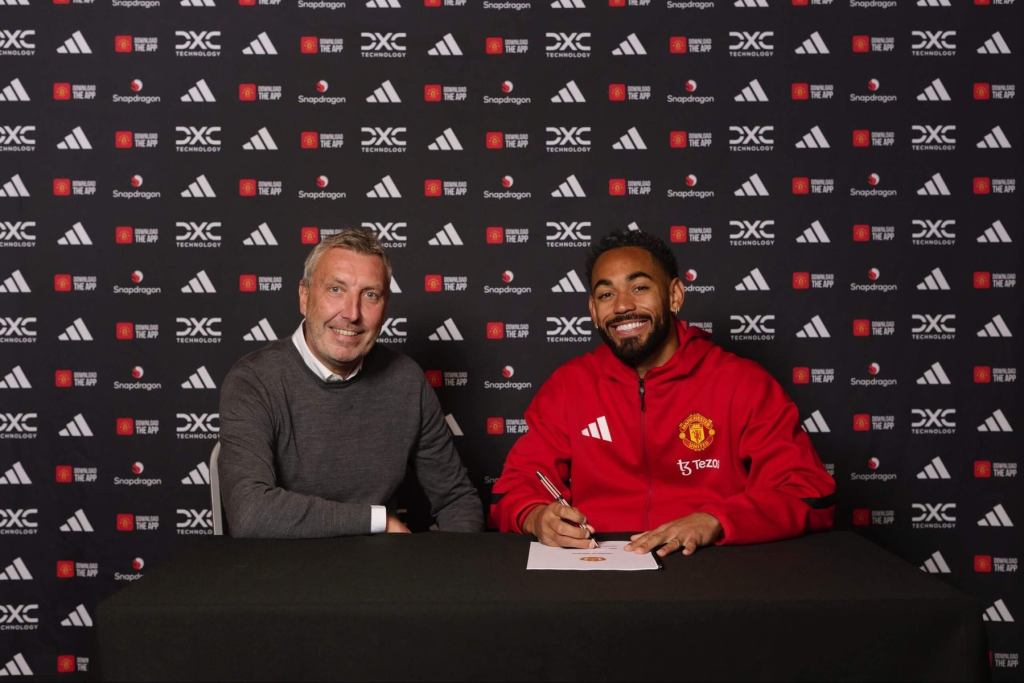
Alongside potential player sales, United are looking at new signings to strengthen the squad while remaining financially responsible. The only confirmed purchase so far is Matheus Cunha, signed for £62.5 million on a five-year deal. This means his yearly amortized cost is £12.5 million. His weekly wage is expected to be £200,000, which adds up to £10.4 million annually. Other signings are still being explored, including Bryan Mbeumo, Hugo Ekitike, a new midfielder and a goalkeeper. If these deals go through, United’s total summer spending could reach £304.5 million. The estimated annual amortization from all five deals would be £62.4 million. Combined wages for these new signings are projected to be around £45.8 million per year. These deals are structured to spread costs over multiple years. When compared to the expected PSR profit from sales, the net PSR result would be a gain of £61.45 million. This shows that the club’s overall financial strategy is focused on staying within limits while still improving the team. Although only a few moves have been confirmed, the rest are being pursued with PSR compliance in mind.
Cash Flow and Future Commitments
Manchester United are trying to manage how much money is coming in and going out. They expect to make about £176 million from selling players. At the same time, they expect to spend around £109.84 million on new signings this year. This means they would have about £66 million more coming in than going out for now. However, they still need to pay £73.34 million next year for transfers that are being paid in parts over time. To cover that future payment, they either need to qualify for the Champions League, which brings in a lot of money, or find other ways to earn extra income. If they can’t, they might need to sell more players next summer to stay financially safe.
Manchester United – 2025 Expected Summer Sales
- Garnacho
- Sold for £55m | Book Value: £0 → +£55m PSR profit (pure profit)
- Wage saved: £3.12m/year (£60k/week)
- Linked to: Napoli, Premier League clubs
- Rashford
- Sold for £42m | Book Value: £0 → +£42m PSR profit (pure profit)
- Wage saved: £15.6m/year (£300k/week)
- Linked to: Barcelona
- Sancho
- Sold for £23m | Book Value: £25m → -£2m PSR loss
- Wage saved: £10.4m/year (£200k/week)
- Linked to: Saudi clubs
- Antony
- Sold for £35m | Book Value: £34.4m → +£0.6m PSR profit
- Wage saved: £5.2m/year (£100k/week)
- Linked to: Real Betis
- Álvaro Fernández
- Sold for £11m | Book Value: £0 → +£11m PSR profit (pure profit)
- No reported wage info
- Linked to: Real Madrid
- Tyrell Malacia
- Sold for £10m | Book Value: £3.75m → +£6.25m PSR profit
- Wage saved: £1.82m/year (£35k/week)
- Linked to: Dutch Clubs
Manchester United – 2025 Planned Signings (Expected)
- Matheus Cunha
- Fee: £62.5m | 5-year deal → Amortization: £12.5m/year
- Cash paid in 2025: £31.25m
- Wages: £200k/week → £10.4m/year
- Bryan Mbeumo
- Fee: £62m | 5-year deal → Amortization: £12.4m/year
- Cash paid in 2025: £20.67m
- Wages: £200k/week → £10.4m/year
- Hugo Ekitike
- Fee: £85m | 5-year deal → Amortization: £17m/year
- Cash paid in 2025: £21.25m
- Wages: £150k/week → £7.8m/year
- Midfielder X (target)
- Fee: £65m | 5-year deal → Amortization: £13m/year
- Cash paid in 2025: £21.67m
- Wages: £180k/week → £9.4m/year
- Goalkeeper Y (target)
- Fee: £30m | 4-year deal → Amortization: £7.5m/year
- Cash paid in 2025: £15m
- Wages: £150k/week → £7.8m/year
United’s Summer 2025 Financial Snapshot
- Net PSR Profit: +£50.45m
Thanks to major sales (including Garnacho and Rashford) and smart amortized deals for new signings, United ends the window with over £50m in PSR profit — well within compliance. - Cash Flow Balance (2025): +£66.16m
With £176m expected from player sales and just £109.84m going out this year on new transfers, the club remains cash-positive for the summer. - Annual Wage Bill Change: –£9.66m (increase)
Despite offloading several high earners, new arrivals push the wage bill slightly higher — up by around £10m annually.
UEFA Squad Cost Rule and Long-Term View
Even though United are not in Europe in 2025-26, they are still preparing for UEFA rules. One of those rules is the 70 percent squad cost ratio. After the changes, United’s wage bill stands at £277.2 million and their expected revenue is £580 million. That gives them a wage-to-revenue ratio of 48 percent, which is well below the UEFA cap. This shows that the club is thinking long term. By making difficult decisions now, they are positioning themselves to comply with both Premier League and UEFA financial rules in the years ahead.
Final Word: United’s New Reality

Manchester United’s summer of 2025 was all about survival. The club had no choice but to start selling important players, trim the wage bill, and manage their transfers with precision. Some exits have already happened while many others are being worked on. If the club can complete its planned sales and signings, it would stay PSR safe with a comfortable margin. However, this is just one step. To truly rebuild, United must return to the Champions League, secure new sponsorships, and maintain discipline in spending. PSR has changed how big clubs operate. Even Manchester United, one of the richest in the world, had to face the reality of modern football finance. If they stay on this path and perform better on the pitch, they can build a more sustainable and competitive future.
Sources:-
ESPN – Premier League to Maintain PSR Rules
Manchester Evening News – How Man United Plan to Stay PSR-Compliant
Premier League Handbook (Official Publications)
Sky Sports – PSR Rules Stay for 2024/25 After Squad Cost Ratio Delay
Sky Sports – Which Clubs Avoided PSR Charges (2021–2024)
The Athletic – PSR: Which Clubs Are at Risk?
The Athletic – Inside Manchester United’s PSR Challenge
The Swedish Rumble on Twitter (Financial Commentary)
YouTube – PSR Explained: Sky Sports Video Breakdown
YouTube – Deep Dive into PSR + Transfers (Starting at 30:25)
 UNITED SCRIPTED.
Leave a comment