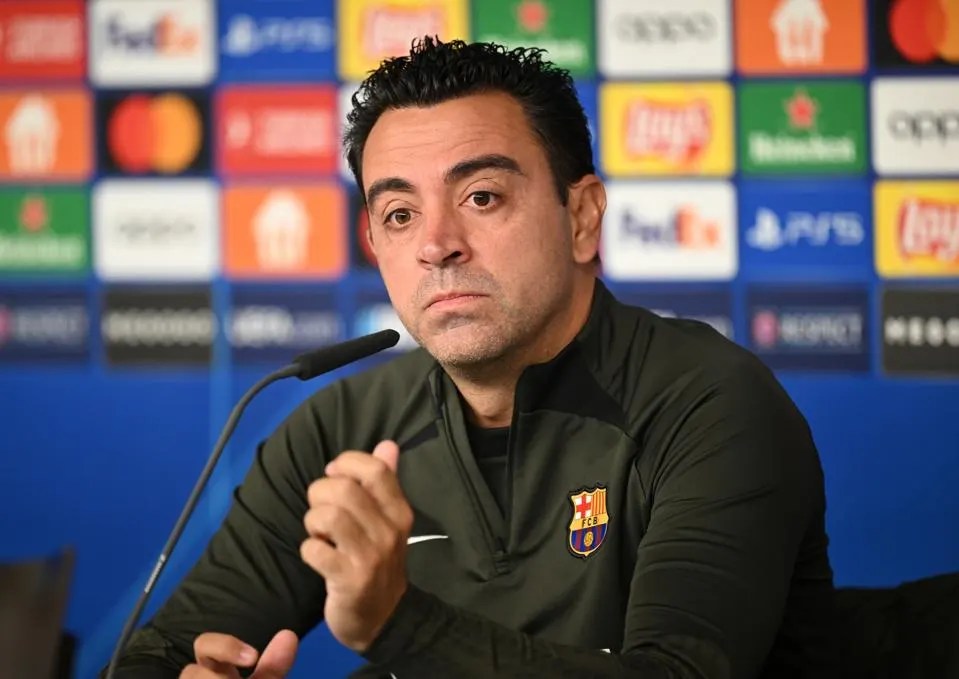
I’m going to talk about the next United manager. Ruben Amorim is on tightropes right now, I believe, even though Sir Jim Ratcliffe has publicly stated he’d like to give him three years to build his project. However, United’s position remains incredibly fickle: one series of bad games and you’re left with no choice but to sack your manager.
I’ll start from the least fit candidate to the most fit, plus my personal favourites ranked in order. I’ve got five names on my list of managers currently rumoured for the job, so let’s get straight to it.
5. Gareth Southgate: A Hard Pass for Manchester United
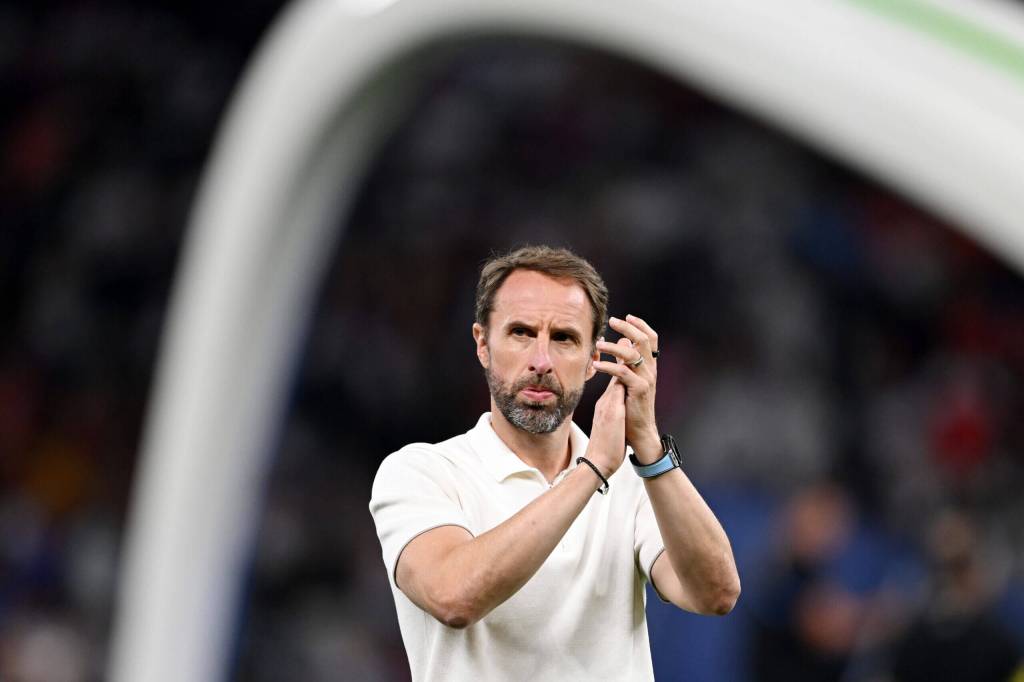
Yeah, number five is Gareth Southgate. No. Moving on. I don’t want to spend a single minute on him. Even though David Ornstein has reported he won’t be considered for the role, Fabrizio Romano consistently mentions there’s talk about him within INEOS circles, claiming he has “admirers at INEOS” and with Sir Jim Ratcliffe himself. I don’t want Southgate anywhere near Manchester United, and as long as he doesn’t get strongly linked with the job, we’re good.
4. Oliver Glasner: Brilliant Form, But Wrong Fit for United
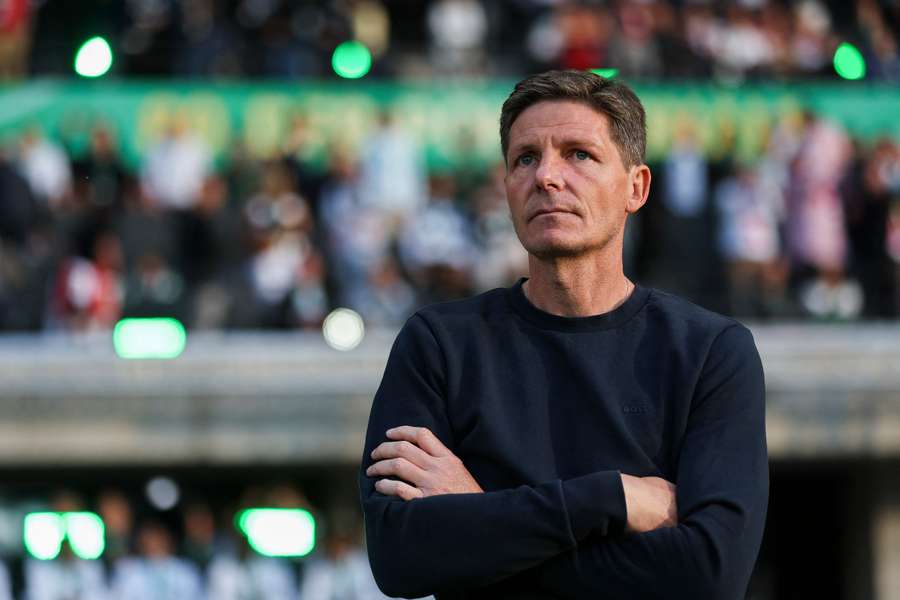
Okay, so people are probably confused why I’ve ranked him fourth. This guy is the number one pick for many fans if Amorim gets sacked. But I’ll explain why I don’t think he should be the top choice, even though he plays the same formation that’s currently working brilliantly for Crystal Palace. They went on a remarkable 19-match unbeaten run across all competitions in Europe, played Liverpool more than twice, won trophies during this stretch, and only recently lost to Everton, ending their incredible streak. The point is, Glasner’s system clearly works, and we wouldn’t need to make drastic tactical changes. It would just require signing a quality defensive midfielder, which we’ll need to target in the January window or next summer anyway.
Early Career and Managerial Journey
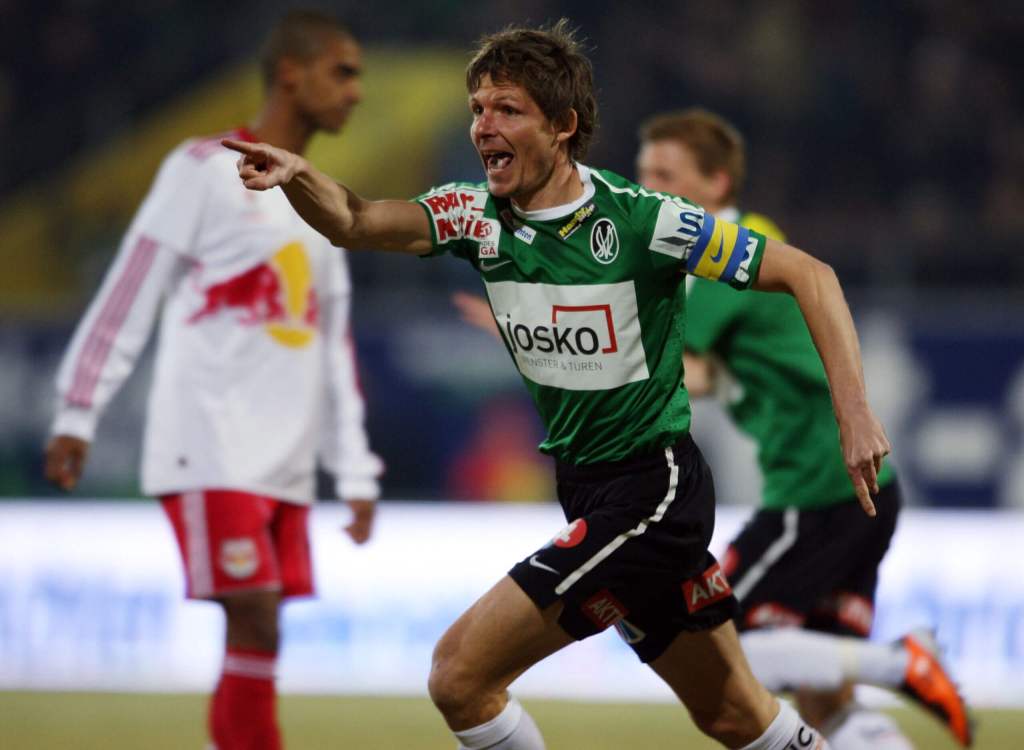
Glasner was a solid defender at SV Ried in Austria, racking up 516 appearances and winning two Austrian Cups during his playing days. After hanging up his boots, he transitioned into coaching, starting as an assistant at Red Bull Salzburg before becoming head coach of SV Ried in 2014–15, where he secured promotion. He then took charge of LASK Linz from 2015 to 2019, guiding them to promotion to the Austrian top flight and eventually finishing as runners-up. In 2019, he made the move to Germany, managing Wolfsburg for two seasons.
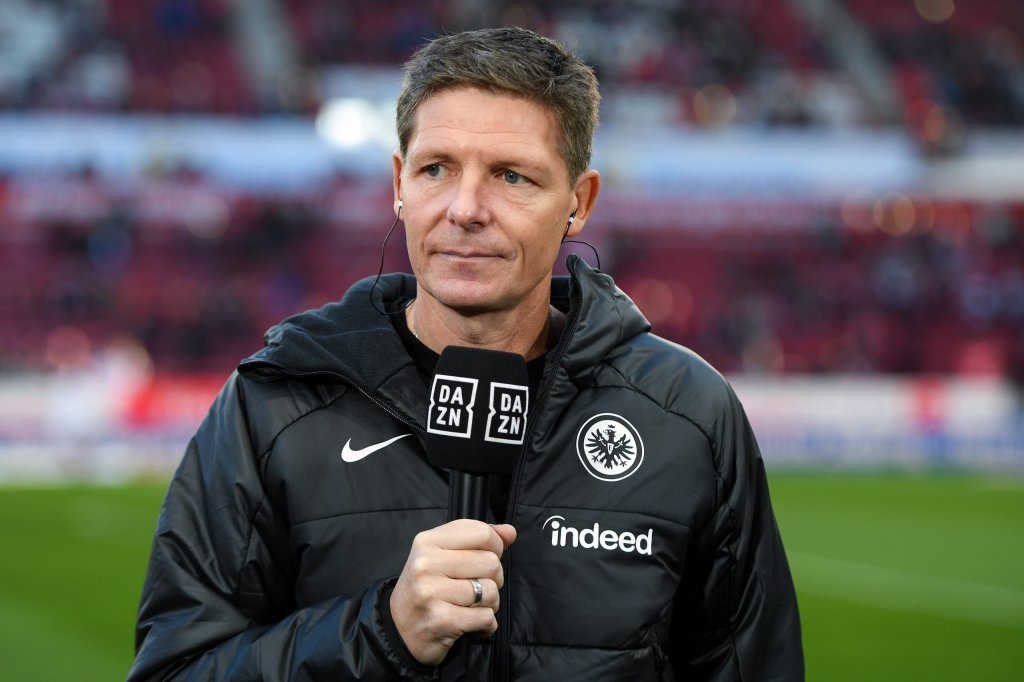
His major breakthrough came at Eintracht Frankfurt from 2021 to 2023. In 2022, he led the team to UEFA Europa League glory, beating Rangers in the final. During the 2023–24 season, Frankfurt played exciting, attacking football while pushing for Champions League qualification. Glasner departed Frankfurt in the summer of 2023.
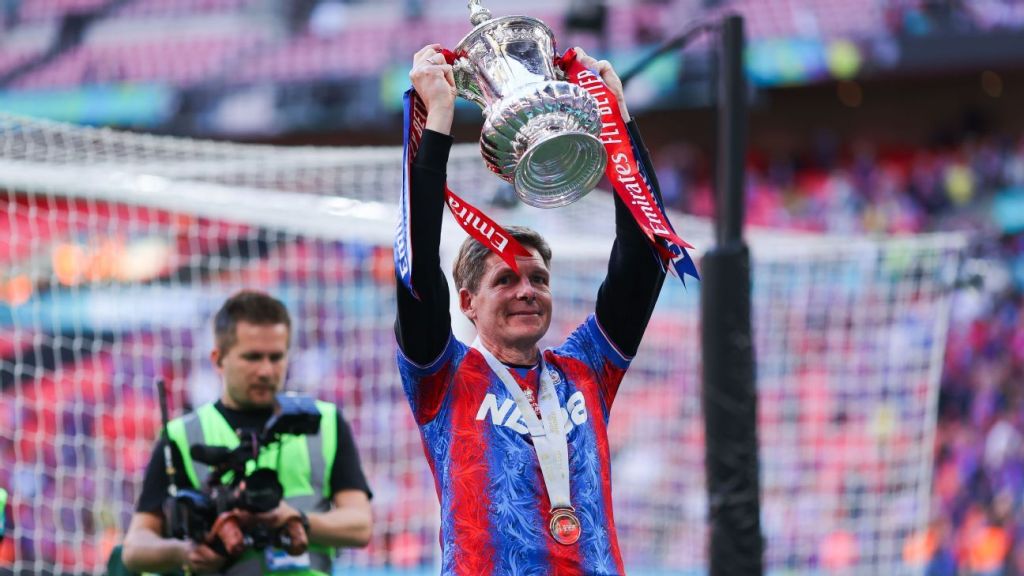
At the start of 2024, Glasner became Crystal Palace manager. By 2025, he’d already delivered two historic trophies: the 2024/25 FA Cup (Palace’s first-ever major trophy) and the 2025 Community Shield after defeating Premier League champions Liverpool on penalties. His Palace side finished the 2024/25 Premier League season with 53 points (1.39 points per game), the club’s highest-ever total. By October 2025, they were on that incredible 19-match unbeaten streak across all competitions before Everton finally ended it.
Tactics and Style: The Counter-Attacking Concern

The biggest red flag for me, or you could say a deal-breaker, is the lack of possession in his teams. Having the second-lowest possession in the league this season and the fourth-lowest last season is, in my opinion, simply not sustainable for a club like Manchester United. Crystal Palace thrive on counter-attacks. That’s their entire game. I don’t want United to become a counter-attacking side because it’s just not built for long-term success at the highest level.
Yeah, it’s quite funny when the man’s just completed a 19-match unbeaten run across all of Europe. He’s probably thinking, “am I a joke to you?” But in all seriousness, it’s just my opinion. I genuinely feel that relying heavily on counters reminds me too much of the Ole Gunnar Solskjaer era. The purple patch will eventually end, even though I believe Glasner is probably a more tactically astute coach than Ole ever was. So yeah, the biggest concern for me remains the lack of possession football.

The graph shows a clear trend; teams that control more possession tend to earn more points per game. It’s a strong correlation that highlights how ball control usually translates to better results over time.
That’s exactly why I’m not fully convinced by Oliver Glasner as a Ruben Amorim replacement. His Crystal Palace side has done well recently, but his low-possession approach goes against what this data suggests. It can work in short bursts, especially with an underdog team, but it’s not a style that sustains consistent success over a full season. For that reason, he’d be a fourth-choice option for me.
Maybe he’s simply working with what he has at Palace. I’m sure I’ve heard he’s adaptive and works with the squad available to him, using his players to their strengths. But throughout his career, he’s always focused on counter-attacking football, which I just feel in this day and age isn’t sustainable for a club with Manchester United’s ambitions.
The Positives of Glasner’s System
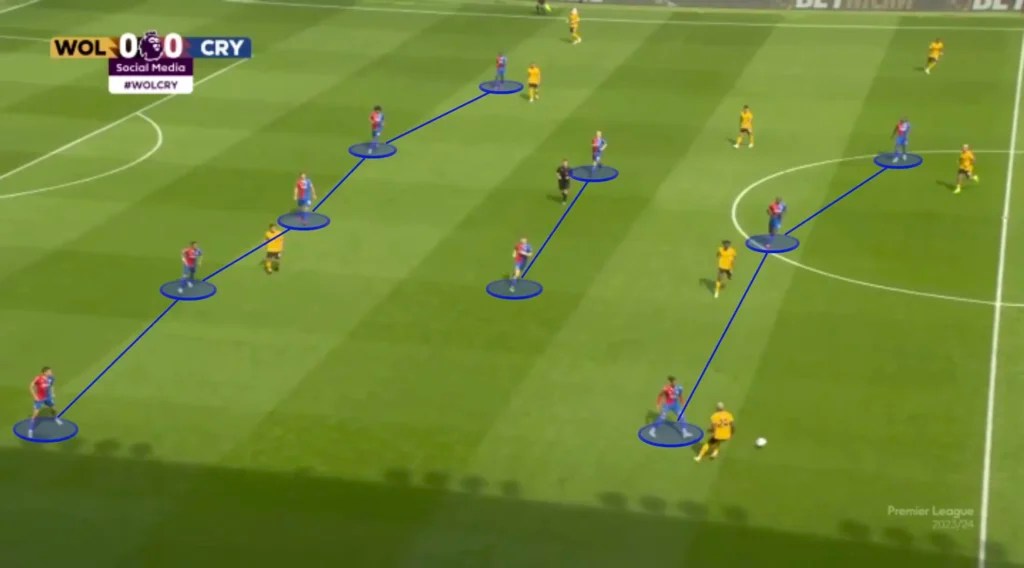
Now, if you do want Glasner, here’s what you can expect: a team that sits deep, stays compact in a 5-4-1 formation, and the moment they win possession, they hit you on the counter with ruthless efficiency. Opta ranks them as the league leaders for direct speed, which essentially measures how quickly a team transitions from defence to attack. In simpler terms, they’re the most direct, attack-minded side in the Premier League right now.

This screams vintage Manchester United to me. The “ATTACK ATTACK ATTACK” devil on my shoulder loves it because they don’t mess about. As soon as they win the ball back, the intention is crystal clear (Did you see what I did there?): get it into the opposition’s box and create a chance as directly as possible.
One fascinating stat that Adam Clery highlighted was that Crystal Palace averaged a shot on goal for every 11 passes they completed (31 passes on average per shot). For context, Manchester City needed 56 passes to generate one shot on goal. That’s absolutely mad when you think about it.
The Verdict on Glasner
Look, Glasner is clearly a talented manager who’s achieved something special at Crystal Palace. But for Manchester United, the lack of possession-based football and reliance on counter-attacks just doesn’t align with where this club needs to go. He’s done brilliantly with what he has, but I’m not convinced his style translates to the demands and expectations at Old Trafford. That’s why he sits at number four on my list.
3. Andoni Iraola Conundrum: Exciting Football, But Is It Built to Last?

I’ve got another fan favourite here, and he’s probably the first pick for many people: Andoni Iraola.
Background and Playing Career

Iraola was a top-class full-back and captain at Athletic Bilbao. He came through the prestigious Basque youth system and broke into Athletic’s first team in 2003, eventually racking up 510 appearances over 12 seasons, including 406 league matches and 33 goals. He was known as a tireless runner with an eye for goal from deep positions, and later captained Rayo Vallecano during a loan spell. He retired from playing in 2016 after a final season in MLS with New York City FC before transitioning into coaching.
Iraola’s Tactical Approach

Iraola is an interesting case. I’ve watched several tactical breakdowns to understand his style, and honestly, it’s kind of strange. His approach is built on very high pressing and controlled chaos. If you’ve watched Bournemouth games this season, they’re usually high-scoring thrillers. Take the 4-2 at Anfield, for example, which they genuinely could have won. That’s the key phrase here: they could have won. But even when they play well, the system feels inherently chaotic. Once again, it doesn’t feel sustainable enough for a club like Manchester United.
Don’t get me wrong, I appreciate interesting and adaptive managers. But for the next United manager, I want a system that’s not just exciting but also sustainable over the long term. Let me explain my thinking.
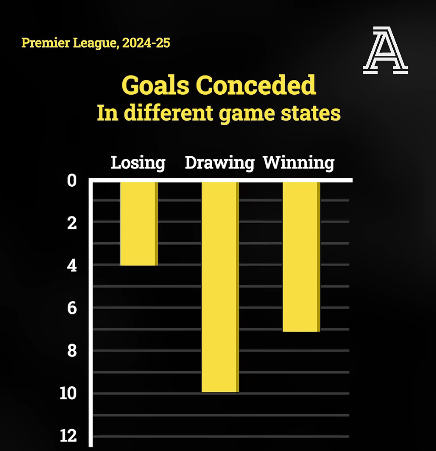
I watched a breakdown from The Athletic, and essentially, Bournemouth play a chaotic, high-tempo, high-pressing game while being prepared for multiple outcomes. The chaos itself becomes a weapon because it forces errors from opponents. There’s no easily readable pattern, and the system is deliberately difficult to decode. That works brilliantly when you’re chasing a game or fighting for an equalizer. But here’s the problem: Bournemouth often look clueless when they’re actually leading. They concede a concerning number of goals while ahead because, at a bigger club like Manchester United, fans and management expect you to dominate matches and control games. They don’t want Chaos FC dropping points after taking the lead. It feels like too much of a gamble.

That said, Iraola ranks above Glasner on my list because I believe he’s a more adaptive manager overall. He primarily works with a 4-3-3 or 4-2-3-1 system, which aligns better with modern football. However, he’s not my top pick because I feel it would take far longer than expected for him to settle into a new environment and refine his approach for a club of United’s stature.
Additional Tactical Insights
Iraola’s system isn’t really a rigid, structured system in the traditional sense. It gives players significantly more freedom to choose pressing triggers and make decisions on the fly. It’s highly proactive and match-dependent. I’d say it relies more on adaptive high pressing and player intelligence rather than an inflexible tactical framework. Some analysts have dubbed Bournemouth’s style “Controlled Chaos,” which feels pretty accurate.
They play the highest number of long balls in the Premier League this season, launching the ball into dangerous areas, then aggressively pressing to win it back and create dangerous attacking transitions. It’s essentially kick and rush football with a modern pressing twist.
Here’s the thing: we don’t really know how adaptable or effective he’d be at implementing a more structured system at a bigger club. He won’t have the same freedom at a club like Manchester United, where expectations and scrutiny are completely different. That’s exactly why he’s my third pick.
The Verdict on Iraola

Iraola is undeniably an exciting manager who’s done impressive work at Bournemouth with limited resources. His high-energy, chaotic style produces thrilling football and gets results. But for Manchester United, I need to see more evidence that his approach can translate into sustained success at the highest level. The “controlled chaos” works when you’re the underdog, but at Old Trafford, you need control and dominance. He’s talented, he’s adaptive, but the question marks around sustainability keep him at number three.
2. Sebastian Hoeneß: The Bundesliga’s Rising Star United Should Watch

Not a common name in Premier League discussions, but I genuinely feel he’s a realistic and exciting option. I had to copy and paste his name because I don’t have the German/Austrian keyboard format, so bear with me here. Sebastian Hoeneß is a very interesting manager with an impressive pedigree.
Background and Family Legacy
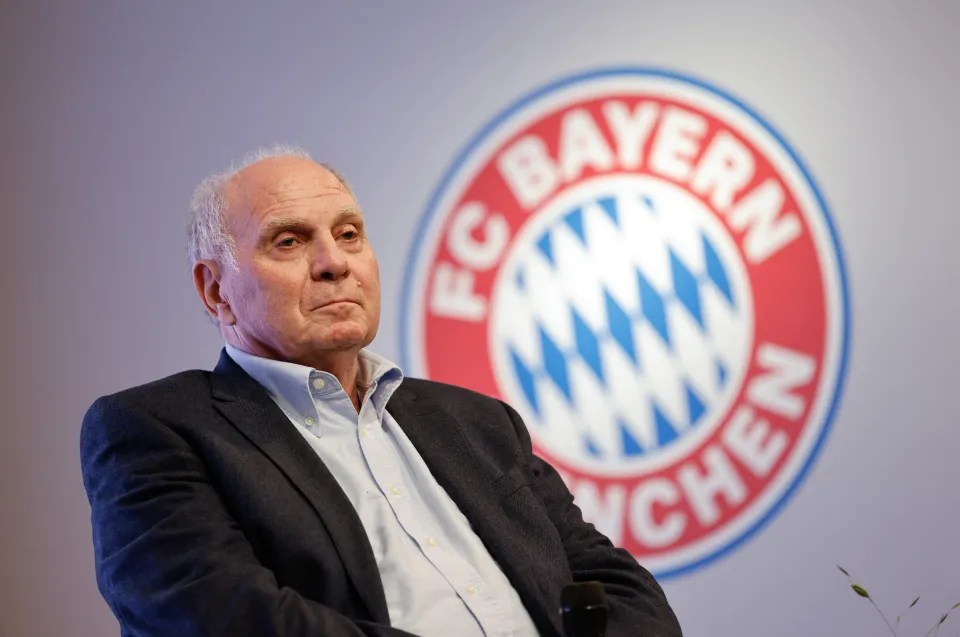
Sebastian Hoeneß is the nephew of Uli Hoeneß, one of the most influential figures in Bayern Munich’s entire history. Uli shaped Bayern like no one else, serving as a player, general manager, board member, president, and supervisory board chairman. He transformed Bayern Munich into the record German champions, built them into a global brand, and won countless titles with the club.
To be honest, I didn’t know much about Uli Hoeneß before researching this, but we live and we learn. Sebastian himself had a modest playing career, mainly with Bayern’s youth teams and in the lower German leagues, which was cut short by injury at just 27 years old. He then transitioned into coaching, starting with Bayern Munich’s youth teams and reserves.
Managerial Career and Rise to Prominence
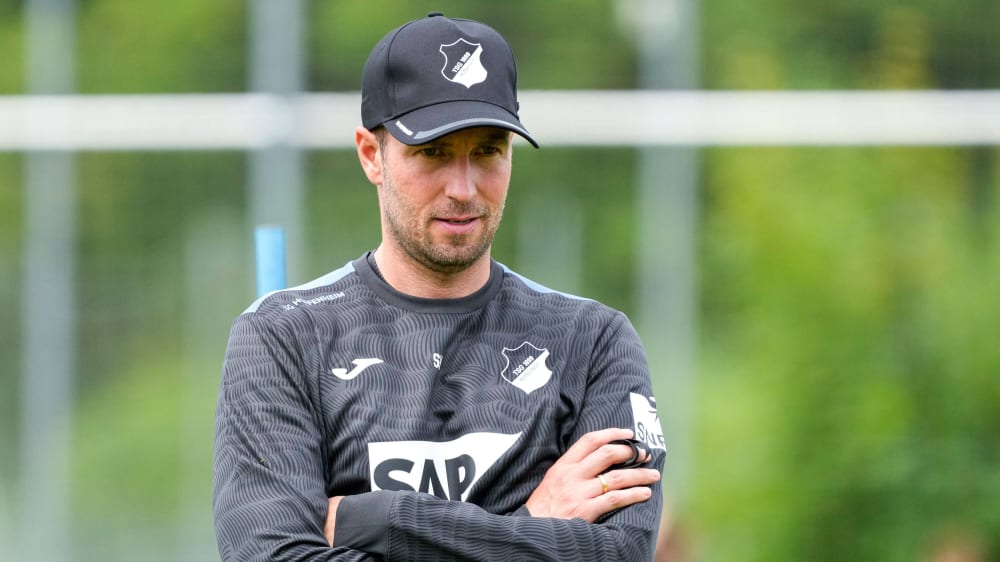
In 2020, he became head coach at Hoffenheim in the Bundesliga. His Hoffenheim teams played attractive, attacking football, and he earned widespread praise for rejuvenating the club and giving them a clear identity.
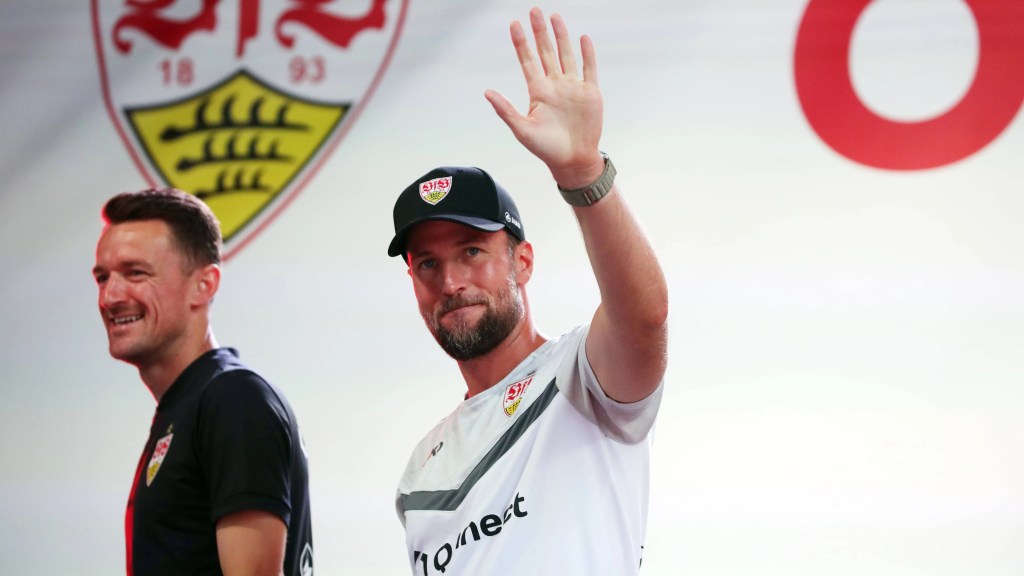
In April 2023, he took over a relegation-threatened VfB Stuttgart side. His impact was immediate and remarkable. He steered them from 17th place to survival via the playoffs. Then, in the 2023-24 season, he led Stuttgart to a stunning 2nd place finish in the Bundesliga, their best finish since 2007. In 2025, he won the DFB-Pokal (German Cup) with Stuttgart. As of October 2025, Stuttgart under Hoeneß continues to compete in the upper half of the table, regularly challenging for European qualification.

He’s become one of the biggest names in the Bundesliga right now. He implements a clear system based on pressing and a high defensive line. Will he be the second coming of Jürgen Klopp? No one knows for certain. But he’s adaptive, has a crystal-clear philosophy, and delivers attractive attacking football from back to front.
The Stuttgart Transformation

Think about this for a second: Stuttgart were literally on the brink of relegation when he took over. They won the relegation playoff and eventually lifted the German Cup. They went from 16th place to 2nd in a single season, and this happened in the same campaign where Bayer Leverkusen went the entire season unbeaten. That’s genuinely remarkable.
Last season, they finished 9th, which was a massive drop from their 2nd place finish. You could argue that happened because of a lack of squad depth and defensive issues, particularly with an inexperienced backline. But even during that challenging season, they still played attractive, progressive football under Hoeneß.
This season will be a real test because they didn’t invest much in the transfer market. They sold their key striker Nick Woltemade to Newcastle and also moved on Larsen. How he manages Stuttgart through this transitional period will be critical. The realistic goal is probably to finish in the top half of the table, somewhere between 3rd and 8th place.
Tactical Philosophy

Hoeneß is possession-minded and committed to attacking football. Despite working with limited top-level talent compared to Bayern or Dortmund, his Stuttgart team consistently maintains 52-56% possession, the fourth-highest in the Bundesliga.
Defensively and structurally, they’re highly flexible. They often shift between 4-4-2, 3-4-2-1, and primarily start matches in a 4-2-3-1 formation. However, they can seamlessly transition into 3-4-2-1, or even switch to 3-4-3 and 3-5-2 depending on the match situation and opponent.
He has a proper, well-defined system, but he’s also remarkably adaptable. His teams have a clear identity built on attacking intent, high possession, and structured pressing patterns. That’s exactly why he’s my second favourite pick for the Manchester United job.
The Red Flags

The obvious concern: he has no Premier League experience and no experience managing a club of United’s size and global profile. The Premier League is a completely different beast, and managing Manchester United with all its intense scrutiny, media pressure, and sky-high expectations would be an entirely new challenge. Will he handle that pressure well? I honestly don’t know, and that uncertainty is precisely why he’s not my first pick.
The Verdict on Hoeneß
Sebastian Hoeneß represents one of the most exciting young coaching talents in European football right now. His work at Stuttgart has been nothing short of impressive, taking a relegation candidate and turning them into cup winners and Champions League contenders. His possession-based, attacking philosophy aligns perfectly with what Manchester United should aspire to be. The tactical flexibility, clear identity, and ability to develop young players make him an incredibly attractive option. However, the lack of Premier League experience and the massive step up in pressure and expectations keep him at number two. He’s a brilliant manager, but there’s one candidate I rate even higher.
1. Xavi: ‘The Controller’, United’s Midfield Has Been Desperately Missing
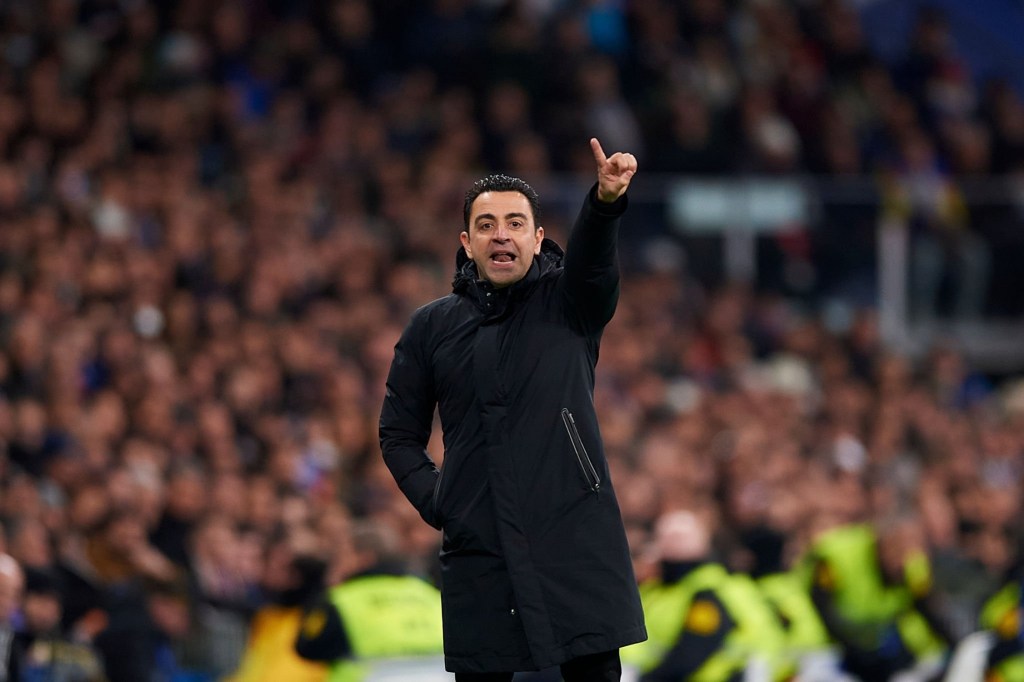
I think you already know who my final pick is. He’s not a clear cut fan favourite because he lacks Premier League experience, but what he does have is something just as valuable: real experience managing at the very top level. He’s managed one of the biggest clubs in world football, a place where trophies, global attention, passionate supporters, and relentless scrutiny are simply part of the job description. I’m talking about Barcelona, a club that, alongside Real Madrid, represents the only institutions that can genuinely rival Manchester United’s size, stature, and global influence.
Yes, it’s the ex-Barcelona legend, the puppet master and midfield controller himself: Xavier Hernández. Oh god, I could talk all day about him and why I genuinely believe he’s the right man for this job. But let me break it down systematically, starting with the basics.
Point One: The Big Name Factor
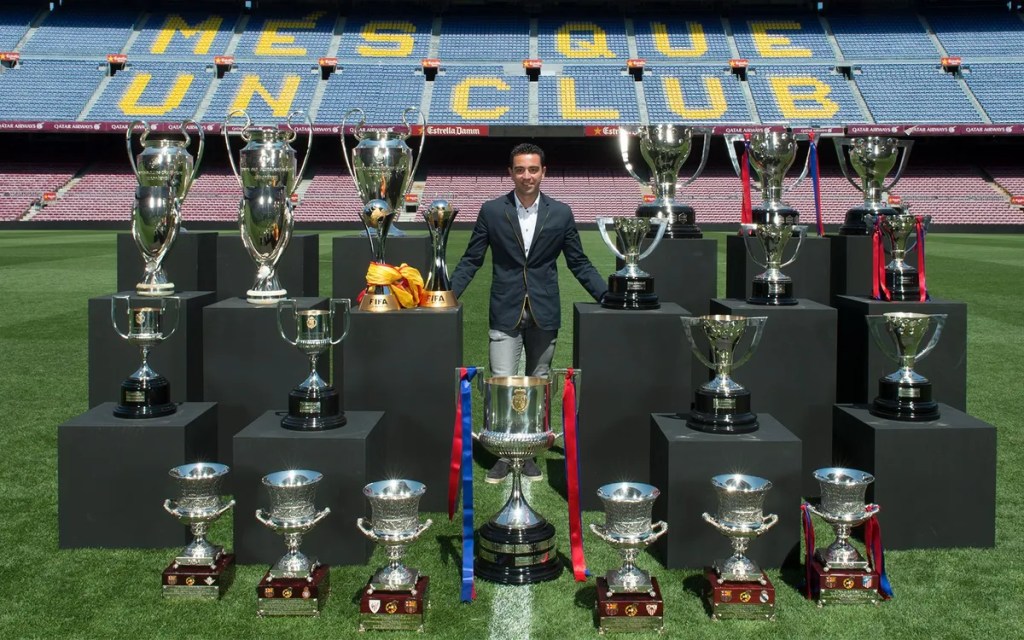
At a massive club like Manchester United, you need a manager with either a strong ego or at least a big name that commands respect. Xavi has both in abundance. People call him unsuccessful, which is absolutely baffling when you consider he literally won La Liga with Barcelona during one of their most difficult periods.
The Barcelona board didn’t invest properly in him, leaving him with scraps and forcing him to rely heavily on academy talent that he personally developed into stars. Prime examples? Current world football sensation Lamine Yamal, as well as Pau Cubarsí, Fermín López, Marc Guiu, and many others who are now thriving.
Barcelona were in dire financial shape during his tenure, and Xavi had to manage aging players who were well past their prime. Sergio Busquets, Jordi Alba, and Gerard Piqué were shadows of their former selves, and upfront he had Memphis Depay, Luuk de Jong and later Lewandowski. So the first major point is this: he’s a big name with the character to handle demanding boards, intense pressure, and manage high-profile players.
Point Two: Thriving Despite Financial Constraints

Xavi received nowhere near enough financial backing from Barcelona. He was essentially playing and living with scraps off the pitch while facing an enormous task for his first major managerial job. Yet he still delivered La Liga and the Supercopa de España in his second season. That’s not just impressive, it’s exceptional under those circumstances.
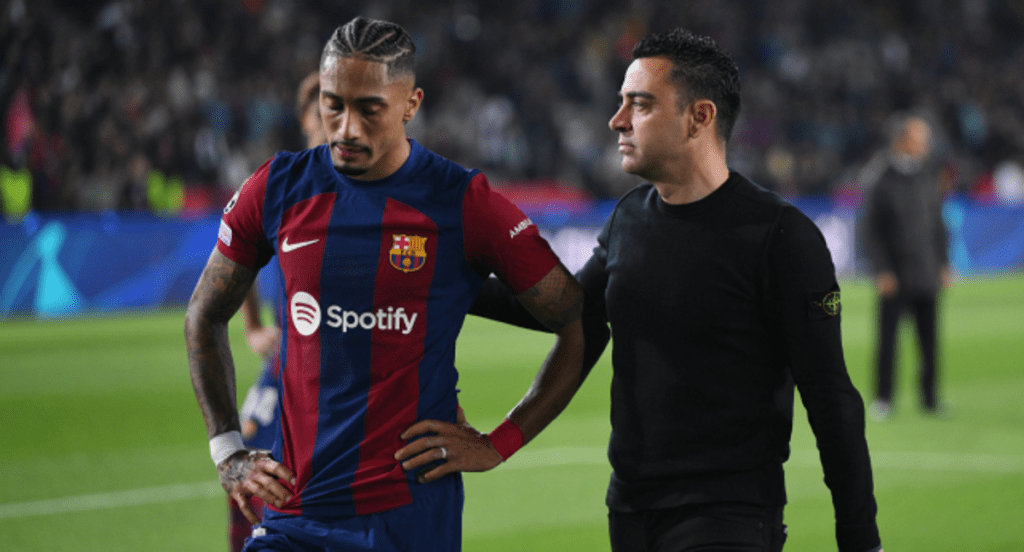
Throughout his entire Barcelona tenure, Xavi only received major signings like Raphinha, Ferran Torres, Jules Koundé, and Robert Lewandowski. Raphinha was the most expensive at around 50 million pounds. The rest of his squad consisted of free transfers and academy graduates.
Manchester United can offer him significantly more financial backing. He could absolutely thrive with our current talent base, and we could continue the ongoing rebuild with a mix of smart signings and promoting youth. Imagine what he could achieve with an actual transfer budget.
Point Three: Youth Development and United’s DNA
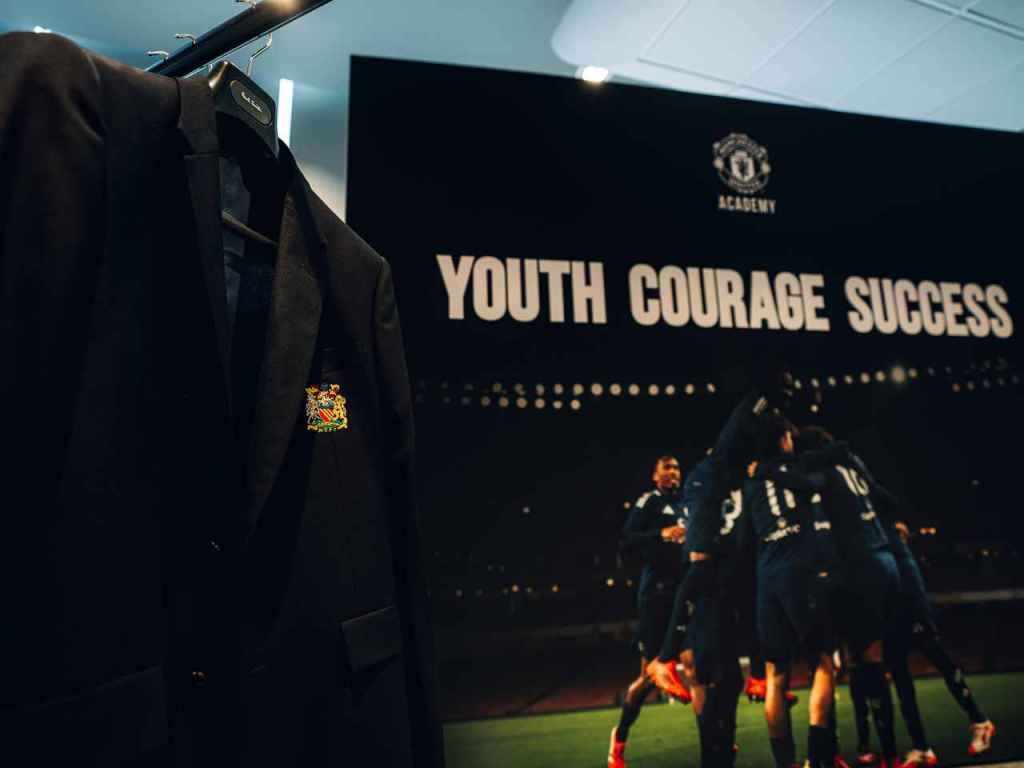
As I mentioned, Xavi genuinely values youth and actively promotes academy players like Yamal, Cubarsí, Guiu, and others. This philosophy blends perfectly with Manchester United’s historic tradition: “Youth, Courage, Success.” We have incredibly talented academy prospects that I desperately want to see flourish, like Shea Lacey, Jim Thwaites, JJ Gabriel and others like Kobbie Mainoo who aren’t getting consistent starts under Amorim but absolutely would under Xavi.

I know for a fact that as a legendary midfielder himself, Xavi has the eye to spot genuine young talent and the courage to give them meaningful chances. Kobbie Mainoo could absolutely thrive under his guidance, and our academy’s biggest talents could make their debuts under Xavi’s watch.
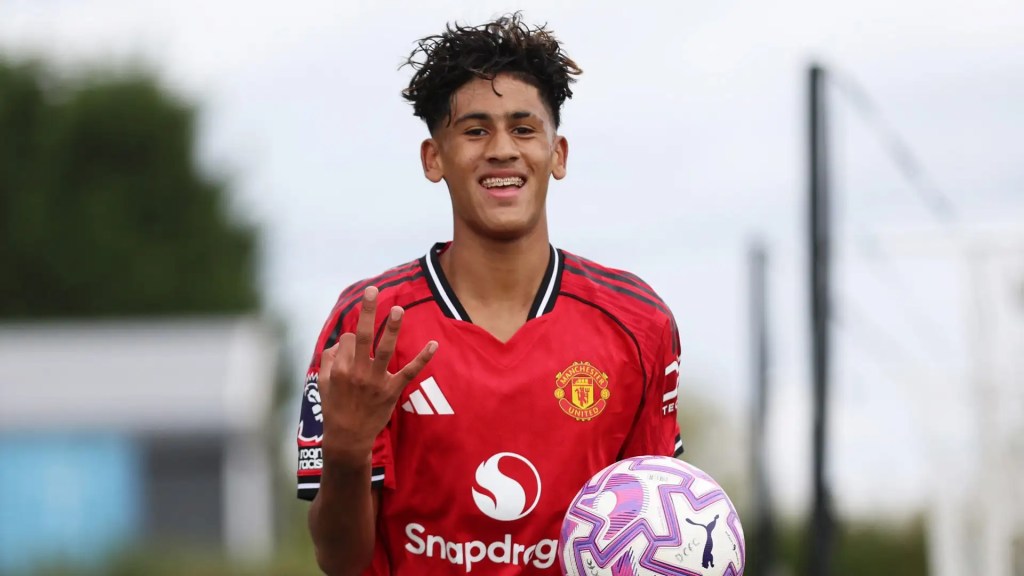
Xavi would most likely implement a 4-3-3 system, and we currently lack a natural left winger. Matheus Cunha could play there, but here’s the exciting part: just as Yamal made his Barcelona debut at age 15 under Xavi, We’ve got a generational talent in our academy, JJ Gabriel, a youngster already attracting interest from clubs like Real Madrid and Barcelona. Maybe I’m stretching it a bit, but I genuinely believe Xavi is one of the few managers who’d take the risk of giving someone like him a real chance at Manchester United. That willingness to trust youth and build around it is a big part of why I want Xavi as our next manager.
Point Four: No Release Clause Required

This must be one of the most reasonable and sensible mid-season managerial appointments available. Xavi has no release clause because he’s currently a free agent. Why wait or waste the entire season with an interim manager when you can appoint someone of Xavi’s caliber immediately? We’d save 15 to 18 million pounds that would otherwise go toward a release clause, and we could redirect those funds toward signing a quality midfielder in January. Every other manager on this list would require a substantial release clause to be paid.
Point Five: The Underrated Rebuild Specialist

Xavi is highly underrated, and frankly, many people are completely uninformed about his actual achievements. He started at Barcelona in November 2021, and to be honest, Amorim could potentially be sacked around that same time of year because of our brutal fixture list. But here’s the crucial point: Xavi arrived at Barcelona in November and in his very first season, they finished 2nd in La Liga, beginning a massive rebuild phase that’s remarkably similar to where Manchester United are right now.
Point Six: Proven Winner in His Second Season
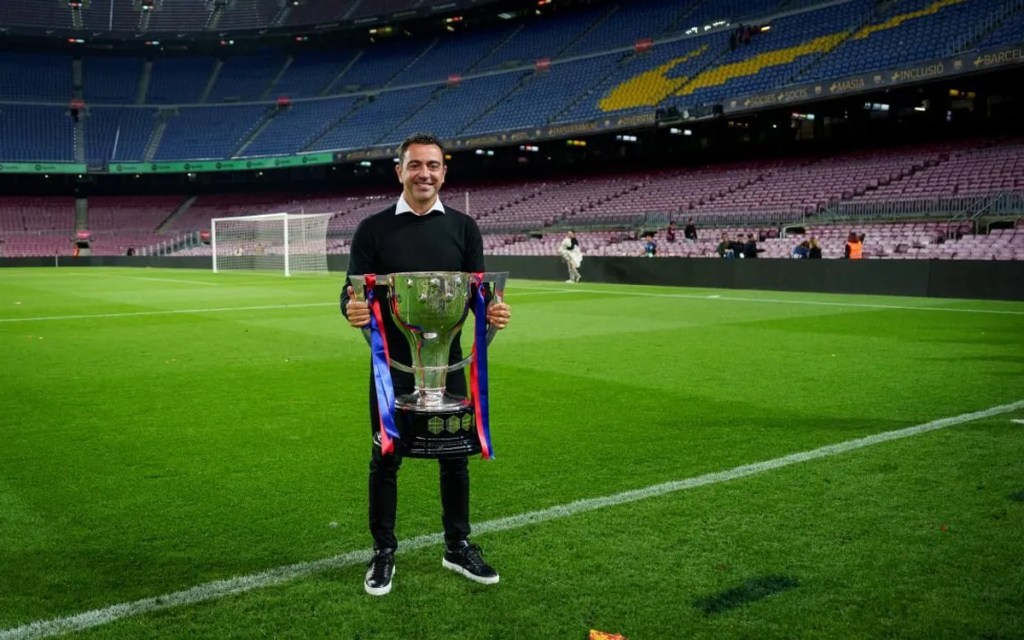
In his second season at Barcelona, Xavi won La Liga and the Supercopa de España. Yes, in just his second season. And I have to ask: was he really a bad manager? At that point, he still had a fairly aging squad with Busquets and others past their prime, combined with a very young team lacking experience. Yet he managed them brilliantly to win those two major trophies.
He departed Barcelona in May 2024 during his third season. At that stage, the team was 12 points behind Real Madrid in La Liga, had lost to Athletic Bilbao in the Copa del Rey, and were eliminated by PSG in the Champions League quarterfinals. When you look at it objectively, that’s clearly not a disastrous season, especially considering the squad limitations and financial constraints.
Point Seven: Clear Philosophy and Defined System
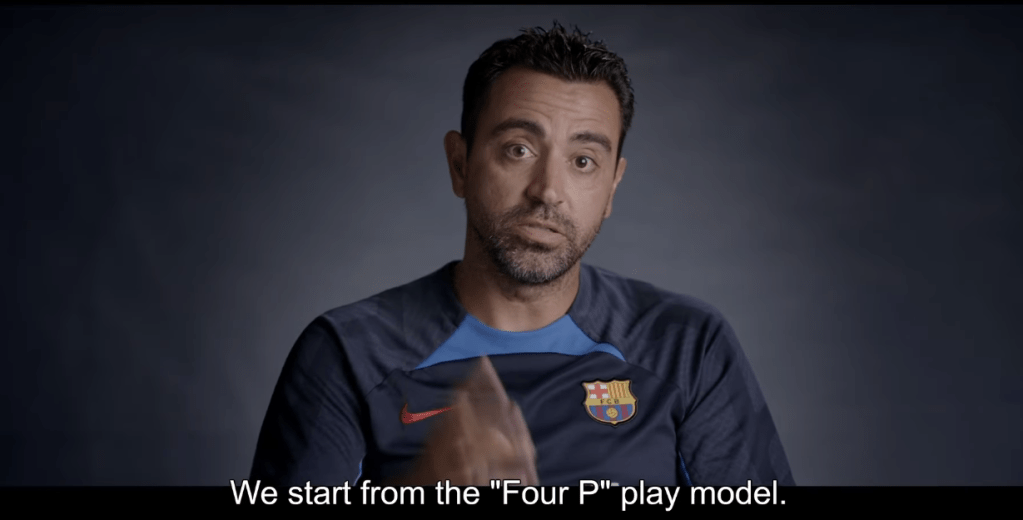
Xavi implements a clear 4-3-3 formation with a clearly defined philosophy that he calls “The Four Ps.” The Four Ps remind me of “The Four Ps” of marketing fundamentals I studied. Anyway, Xavi’s Four Ps are: Positioning, Possession, Pressure, and Perception. It’s brilliant in its simplicity.
Tactically, Barcelona under Xavi typically lined up in a 4-3-3 with Busquets as the deep-lying pivot, full-backs providing width, and midfielders covering the half-spaces. He builds play patiently from the back and immediately presses aggressively once possession is lost.
Xavi credits his man-management skills to lessons learned from Luis Aragonés and his tactical education to Pep Guardiola, blending discipline with Barcelona’s attacking DNA perfectly.
In short, he favors controlling possession, quick passing combinations, and intense pressing. These are the exact principles that transformed Barcelona into league champions.
You don’t know how desperately I would love to see a tight, compact system with a defined attacking philosophy at Manchester United. The Four Ps philosophy (Positioning, Possession, Pressure, and Perception) represent the fundamental basics I simply don’t see at United right now. Under Xavi’s guidance, I would absolutely love to see United implement these core principles.
As Barcelona’s head coach, Xavi managed 141 games, winning 89 of them (a 63% win rate) and averaging approximately 2.06 points per game. In the 2022-23 season, Barcelona scored 70 goals (2.05 per game) from an expected 2.35 xG, while conceding only 20 goals (0.53 per game), which was the best defensive record in La Liga that season. With over 1,000 career games as a player and coach combined, his experience is genuinely unmatched.
Point Eight: Finally Fixing United’s Midfield Crisis
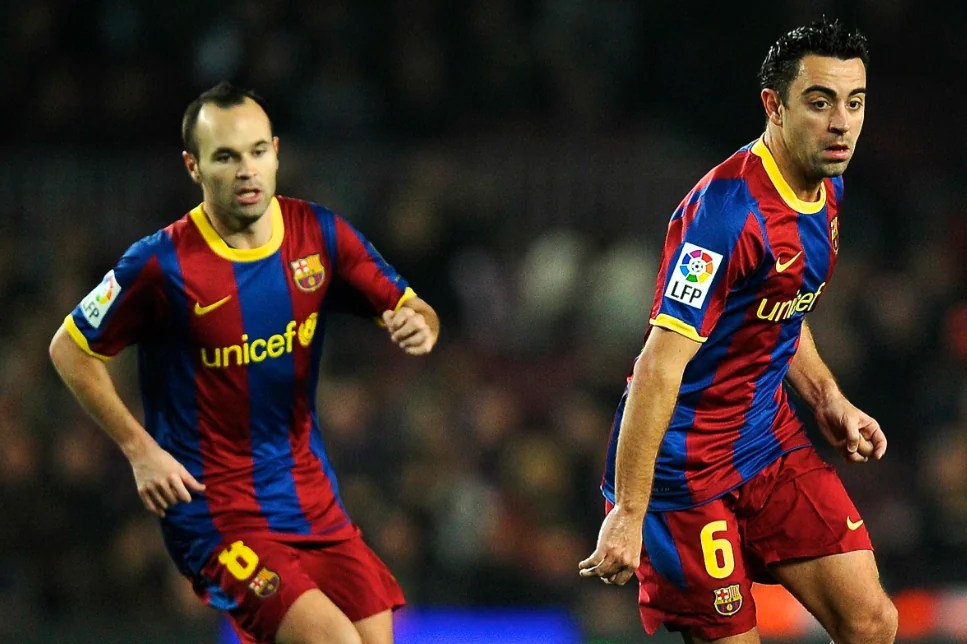
I genuinely don’t think Manchester United fans have felt confident about our midfield since Michael Carrick left. It’s consistently lacked balance and control. First it was the McFred partnership, and now with Bruno Fernandes, it’s essentially the same structural problems.
I firmly believe the puppet master himself would be able to address this long-standing issue. Whether by promoting the right academy player or by signing a quality defensive midfielder, he would fix the midfield problem that’s plagued us for years. There would be no better person than Xavi Hernández to identify exactly what this midfield needs to function properly.
I can only express so much about how impactful he would be for Kobbie Mainoo’s development. Having a legendary midfielder like Xavi coaching him could transform Mainoo into a world-class player.
Tactical Requirements and Signings

Xavi’s system is heavily dependent on ball-playing center-backs and an anchor midfielder in the Busquets mold, as well as intelligent, press-resistant midfielders. One of our major signings would absolutely need to be in that defensive midfield area, along with potentially a left winger (though that role could be filled by academy talent JJ or Cunha in the short term).
The Final Verdict: Xavi Is The Answer
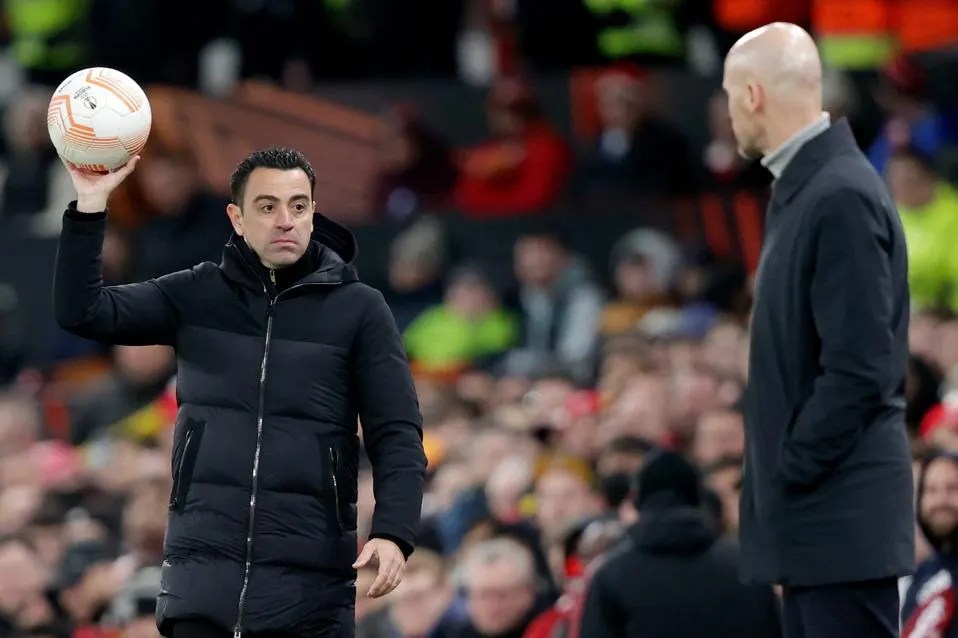
Xavi Hernández represents everything Manchester United need right now: a proven winner with a clear philosophy, a commitment to youth development, experience managing at the highest level under immense pressure, and the tactical knowledge to fix our broken midfield. He won La Liga with financial scraps and an aging squad. Imagine what he could achieve with proper backing at Old Trafford.
Fabrizio Romano himself said, and I quote:
“Xavi would love to work in Premier League one day. Xavi is studying the Premier League, Xavi is ready to return as soon as possible. Xavi would go immediately to Man United, even without European football.”
He’s available, he’s affordable (no release clause), and he’s ready. While others on this list have qualities I admire, none combine all the essential elements quite like Xavi does. He’s not just my number one pick. He’s the only logical choice for where Manchester United are right now. The puppet master could pull the strings and restore United to their former glory. That’s why Xavi Hernández is my top choice for the next Manchester United manager.
On adaptability
I think Glasner is the most adaptable, but I feel his system is not sustainable. After that, I would say Hoeneß is very adaptable, then Iraola with his chaotic system (which I don’t think is sustainable), and finally Xavi, who I feel is not super adaptive but can make a great base, bring morale up, give youth a chance, and bring the United values where they should be.
Final Thoughts on Amorim

I still have some hope in Amorim, but what genuinely frustrates me is his stubbornness. He refuses to start Kobbie Mainoo, insists on playing Bruno Fernandes in a position where he’s clearly ineffective, and leaves our midfield in complete disarray. We’re not building up play properly and instead relying on long balls. Why? Because our midfielders aren’t capable of receiving the ball under pressure, turning, and playing forward passes. And why is that? Because Amorim keeps selecting Bruno and Casemiro, or Bruno and Ugarte, as a midfield two, completely ignoring Mainoo. Kobbie is the only midfielder in our squad who offers defensive stability while also having the technical ability to carry the ball, turn under pressure, and progress play. If Amorim continues being stubborn and making these basic tactical errors, I don’t think he’ll last long, even after Sir Jim Ratcliffe publicly backed him with a three-year commitment.
Our upcoming fixtures are brutal. We face Liverpool at Anfield next, which is always a terrifying place to visit where we could easily lose by multiple goals. After that, we’ve got Brighton at home, Nottingham Forest away, and Tottenham away on November 8th. Realistically, I think United will collect around 5 points from these four matches. If that happens, I believe Amorim will be sacked either after the Spurs game or possibly even after Forest on November 1st if we lose. Timing matters here because after November, his compensation payment reduces significantly. Knowing INEOS and how ruthlessly efficient they are with cost-cutting, they might pull the trigger then.
To be optimistic in a realistic way, we could potentially get a point at Anfield, beat Brighton and Forest, and maybe even draw or beat Spurs, getting 8 points from 12. That wouldn’t be terrible. But let’s not get ahead of ourselves. Amorim is yet to win two consecutive matches, which is genuinely embarrassing however you frame it. Whether I blame bad luck, the squad quality, poor management, or internal politics, it’s simply embarrassing where we are right now.
Well, I hope you enjoyed the read! If you want to explore these topics further, I’ve shared all the sources, articles, and videos I referenced below. Make sure to check them out, and if you found this helpful, please like, share, and maybe even repost!
Sources and Further Reading:-
Amorim’s Tactical Changes – NYT:
https://www.nytimes.com/athletic/6628008/2025/09/15/ruben-amorim-manchester-united-tactics-change/
Andoni Iraola – Controlled Chaos Explained:
https://www.youtube.com/watch?v=fcnu6Nv_RXY&pp=ygUXaXJhb2xhIGNvbnRyb2xsZWQgY2hhb3M%3D
Crystal Palace & Glasner – Match Analysis:
https://www.youtube.com/watch?v=7vFthoIOPoQ
Opta Player Stats Portal:
https://optaplayerstats.statsperform.com/en_GB/soccer
Sebastian Hoeneß Detailed Tactical Breakdown:
https://www.youtube.com/watch?v=AIR5A_OSxg0&t=723s&pp=ygUHaG9lbmVzcw%3D%3D
Will Andoni Iraola Be The Next Elite Manager?
https://www.youtube.com/shorts/wtFRJJp1Vf0
Xavi – Manager Interview & Analysis:
https://www.youtube.com/watch?v=wgYOtdDgJFs&pp=ygUMeGF2aSBtYW5hZ2Vy
Xavi – Manager Profile:
https://www.youtube.com/watch?v=dsEajLJbQRk&t=687s&pp=ygUMeGF2aSBtYW5hZ2Vy

 UNITED SCRIPTED.
Leave a reply to Post Match Verdict 25/26 (Gameweek 12) – UNITED SCRIPTED. Cancel reply